
Bridging the Gap
What Kentucky’s Food Assistance Move Really Meant

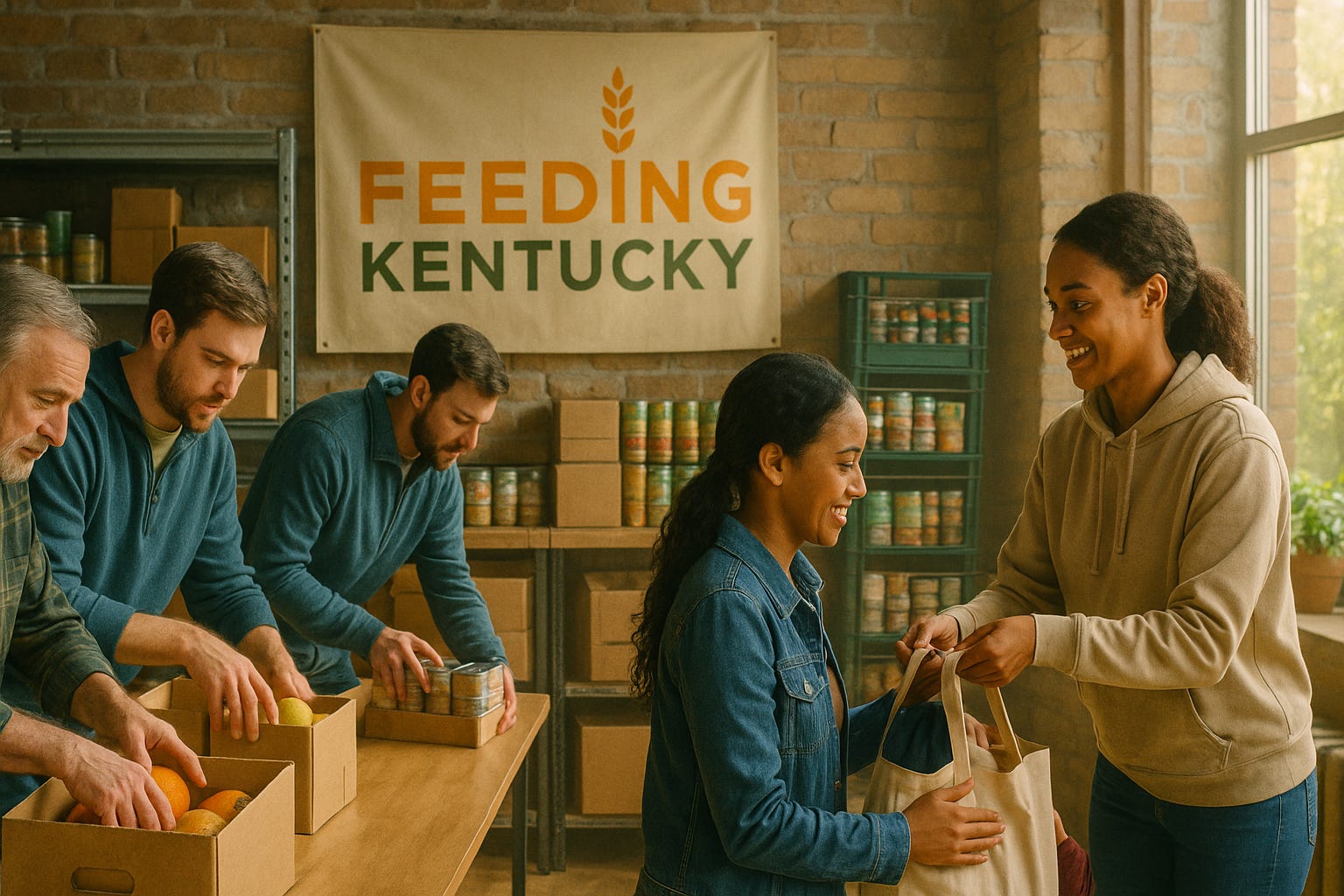
Over the past few weeks, confusion and frustration have spread across Kentucky as families worried about losing their food assistance during the federal government shutdown. Many believed Governor Andy Beshear had promised that the state would cover everyone’s SNAP (food stamp) benefits in full. The truth, however, was more complex and more human than a headline could capture.
When the federal government announced it could no longer guarantee Supplemental Nutrition Assistance Program (SNAP) payments starting November 1, thousands of Kentucky families braced for the worst. Grocery budgets are already tight, and for nearly 650,000 Kentuckians, SNAP benefits are the difference between dinner and an empty table. Governor Andy Beshear quickly declared a state of emergency and freed up $5 million from Kentucky’s Budget Reserve Trust Fund, the so-called “rainy-day fund.” He directed those funds to Feeding Kentucky, the statewide network of food banks, and mobilized the Kentucky National Guard to help stock and distribute food.
The move was fast, decisive, and compassionate but it didn’t mean what many people thought it did. Online, rumors spread that Kentuckians would still receive their full allotment of SNAP benefits because “the governor covered it.” In reality, the state’s money went to support food banks, not directly into SNAP recipients’ accounts. This distinction matters, SNAP benefits are federal funds, distributed through the USDA. The state cannot legally replace or issue them directly. The $5 million allocation simply ensured that local food banks could meet emergency demand while the federal system sorted itself out.
Even with this lifeline, food banks quickly reported being stretched thin. Shelves that were usually full in the morning were bare by afternoon. The Kentucky Association of Food Banks said they saw record demand almost overnight. Beshear, when asked, put it simply, “A person starving isn’t a Democrat or a Republican they’re a child of God.” The misunderstanding, that the governor had “reloaded” everyone’s food stamps, is a perfect example of how easily policy gets lost in translation. People heard “funds for food” and assumed “benefits restored.” It’s an honest mistake, fueled by desperation, social-media noise, and the complexity of government programs.
In truth, Kentucky’s emergency action was a bridge, not a fix. A compassionate stopgap meant to feed people through a federal failure. The difference may seem technical, but in moments like this, precision matters. Behind every misunderstanding is a real person; a parent counting cans, a senior waiting in line at a pantry, a volunteer sorting boxes faster than ever. The lesson here isn’t just about policy. It’s about the importance of listening carefully, verifying information, and staying grounded in empathy. Because the way we talk about hunger and help says as much about who we are as the programs themselves.
Have you or someone you know ever turned to a local food bank?
What do you think communities can do better to bridge the gap between policy promises and people’s understanding?